Why Invest in a Local Water Purification System?
Explore the importance of accessing clean and safe water, and why investing in a local water purification system could be a transformative decision for both households and communities.
Understanding the Need for Water Purification
Water is essential for life, yet access to clean and safe drinking water remains a major global challenge. In many regions, contaminated water is a leading cause of disease and a serious public health concern, especially for vulnerable populations like children and the elderly. Even in developed countries, aging infrastructure and environmental pollution can compromise water quality and threaten public health. These issues highlight that clean water is not a luxury but a basic human necessity. Ensuring safe water access is critical for overall health and survival.
Contaminated water often contains harmful substances such as bacteria, viruses, heavy metals, and chemicals from sources like industrial waste, agricultural runoff, and untreated sewage. Toxic elements like arsenic and lead are commonly found in water and are linked to serious health conditions, including cancer and neurological disorders. Even small amounts of pollutants can have lasting effects on water quality and safety. According to the Minnesota Department of Health, it takes only one teaspoon of sodium chloride salt to permanently pollute five gallons of water, highlighting how easily water supplies can be compromised. This demonstrates how easily water supplies can become compromised and the importance of ongoing monitoring.
The global water crisis underscores the need for strong local water security solutions. Climate change, population growth, and industrial activity continue to put increasing pressure on water resources. As water quality and availability become less predictable, communities must find reliable ways to maintain safe supplies. Local solutions such as water purification systems help ensure consistent access to clean water. Without proactive efforts, the impact on public health, economic stability, and quality of life can be severe.
Exploring the Benefits of a Local Water Purification System
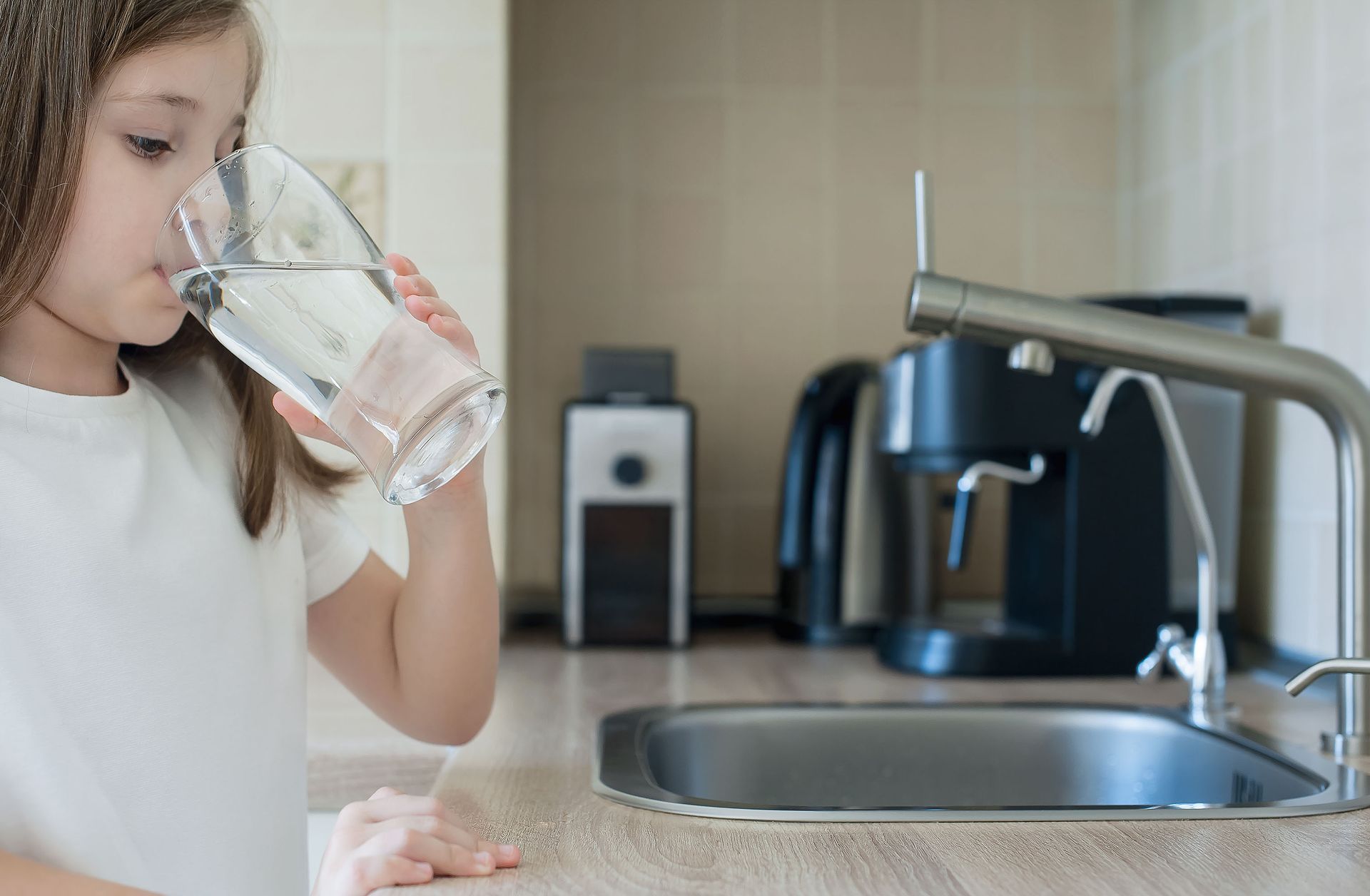
Investing in a local water purification system offers important health benefits for households and communities. Clean water plays a key role in preventing disease by reducing exposure to harmful bacteria and contaminants. These systems help ensure access to safe drinking water, especially in areas where municipal treatment may be outdated or insufficient. By improving water quality at the source, families can reduce the risk of waterborne illnesses. This ultimately leads to better overall health, fewer medical expenses, and an improved quality of life.
In addition to health advantages, water purification systems significantly improve the taste and quality of drinking water. Tap water can sometimes have an unpleasant taste or odor due to chlorine and other treatment chemicals. A purification system removes these impurities, providing cleaner, fresher-tasting water for everyday use. This enhanced taste often encourages people to drink more water, which supports better hydration and overall wellness. It also reduces the need for bottled water, offering both convenience and environmental benefits.
The environmental impact of using a local water purification system is also substantial. Bottled water contributes heavily to plastic waste, which harms ecosystems and increases pollution. By relying on purified tap water instead, households can greatly reduce their plastic consumption. This shift not only supports environmental sustainability but also saves money over time by eliminating the need for frequent bottled water purchases. Additionally, reducing reliance on bottled water lowers the carbon footprint associated with its production, packaging, and transportation.
Understanding the Technological Overview of Water Purification Systems
Water purification systems use a variety of technologies to remove impurities and provide safe drinking water. These range from basic filtration to advanced methods like reverse osmosis, ultraviolet purification, and activated carbon filters. Each method targets specific contaminants—for example, reverse osmosis removes dissolved salts and minerals, while UV purification eliminates harmful bacteria and viruses. Understanding these technologies helps in selecting the most effective system for specific water quality needs.
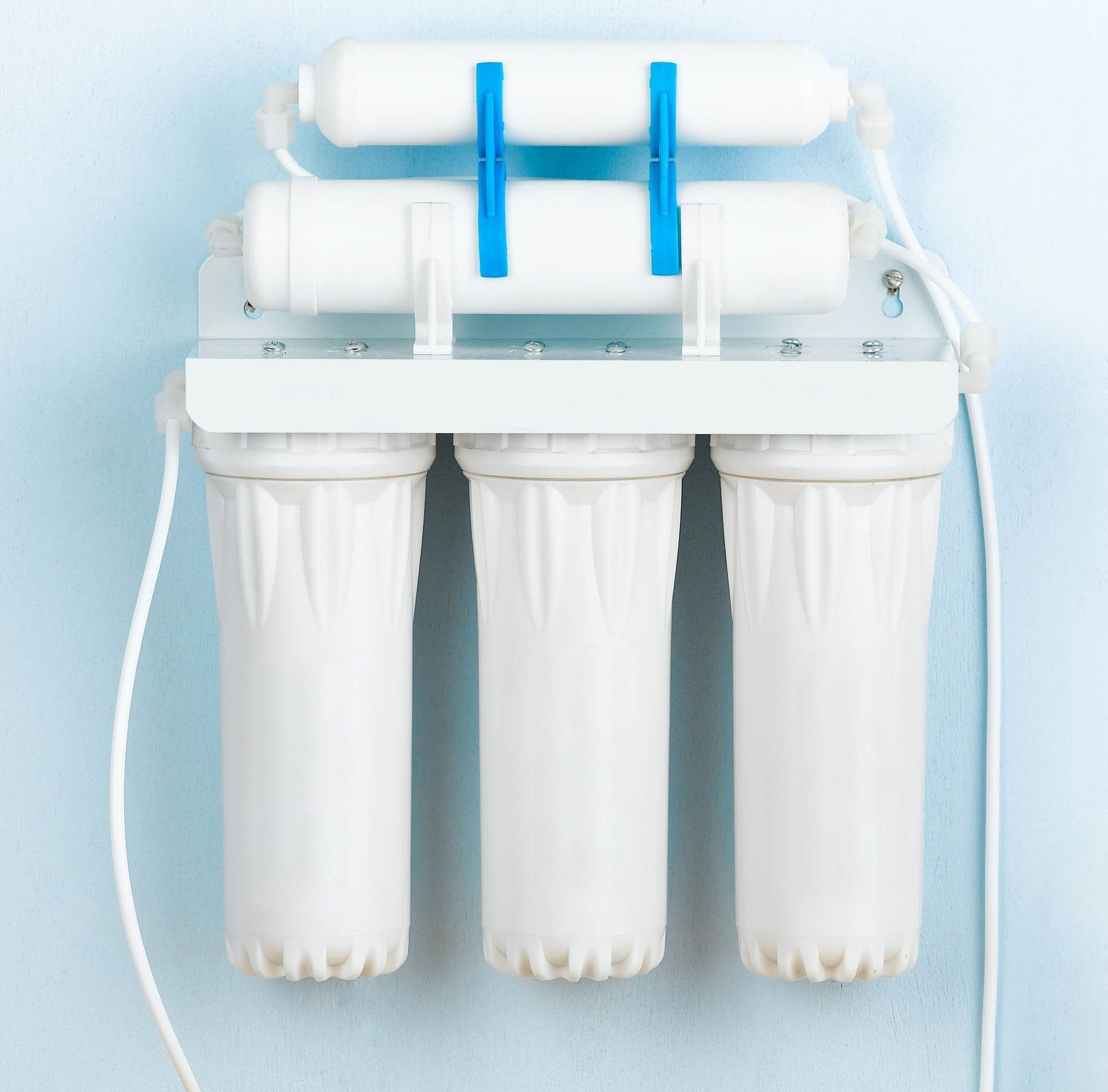
A typical water purification system includes several components that work together to improve water quality. Common elements include sediment filters, activated carbon filters, reverse osmosis membranes, and ultraviolet purifiers. Each plays a distinct role, such as capturing debris, removing chemicals, or eliminating dissolved solids and microorganisms. Combined, these components create a comprehensive purification process that ensures water is safe to drink.
Recent advancements in water purification focus on improving efficiency and sustainability. Modern systems are designed to use less energy while maintaining strong performance, with innovations like solar-powered units and water recycling solutions. There is also increased use of eco-friendly and biodegradable materials in filters and membranes. These improvements make systems more cost-effective and help expand access to clean water worldwide.
Choosing the Right Water Purification System
Selecting an appropriate water purification system starts with understanding your water quality and household needs. A water test can identify contaminants like heavy metals, microorganisms, or chemicals, helping narrow down suitable options. It’s also important to consider household size and specific demands, as some homes may require higher-capacity or specialized filtration systems. Evaluating these factors makes the decision process more straightforward and effective.
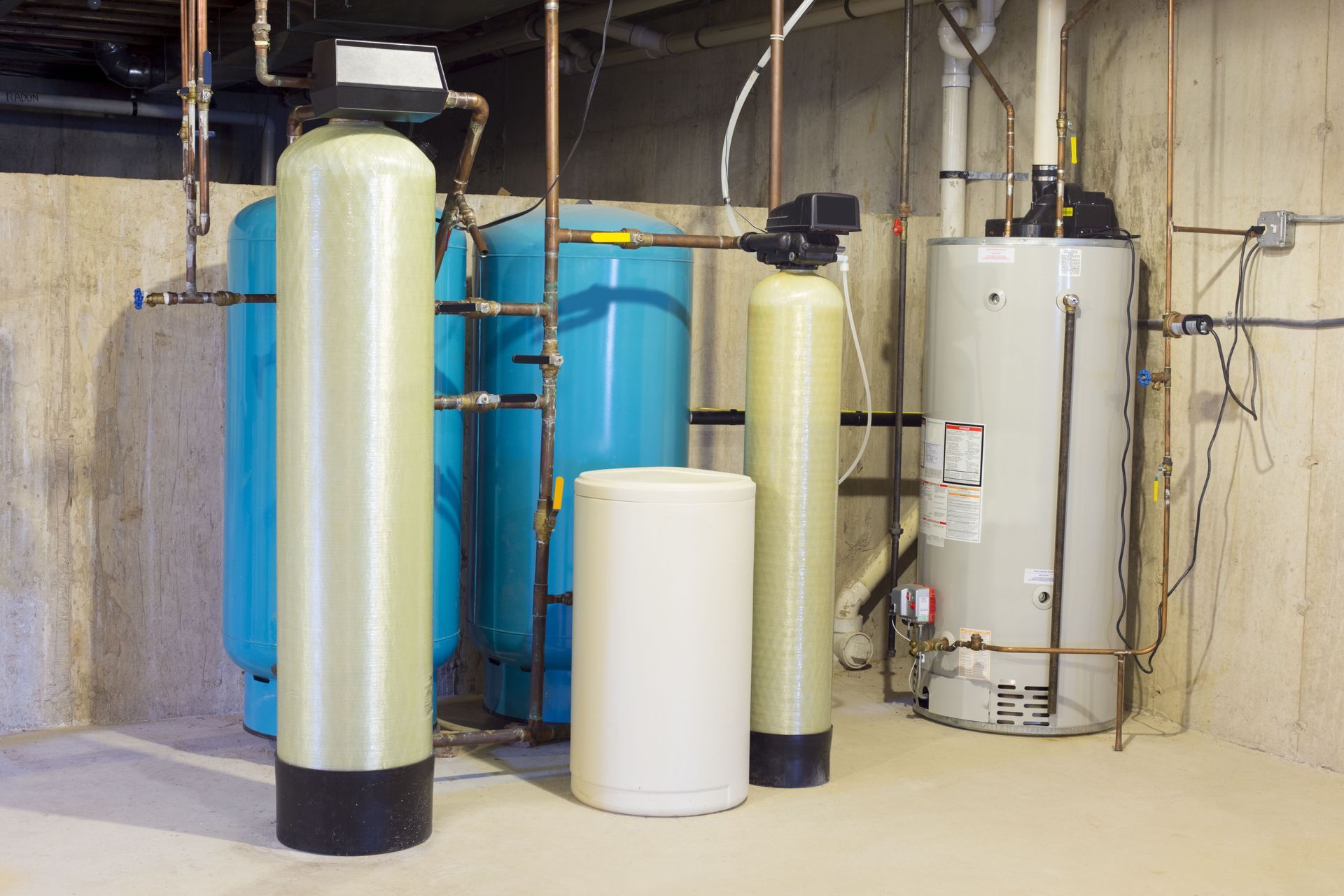
The market offers a wide range of purification systems, from simple countertop filters to full whole-house installations. Each option varies in features such as flow rate, installation complexity, and maintenance requirements. Countertop systems are convenient and easy to install, while whole-house systems provide comprehensive coverage but may need professional setup. Comparing features and customer feedback can help identify the best fit for your home.
Cost is an important factor, but it should be balanced with performance and reliability. Lower-cost systems may not provide the durability or level of filtration needed for long-term use. Higher-end systems often have greater upfront costs but can deliver better efficiency and longer lifespans, leading to savings over time. Considering installation and maintenance expenses, along with expert reviews, ensures a more informed and cost-effective choice.
Exploring the Community Impact of Local Water Purification Systems
Local water purification systems provide significant public health benefits by ensuring consistent access to safe drinking water. This reduces the spread of waterborne diseases and supports healthier populations overall. As a result, communities often see lower healthcare costs and improved well-being. Access to clean water also strengthens initiatives like hygiene education and nutrition programs, contributing to more resilient communities.
Economically, these systems support growth by lowering medical expenses and improving productivity. Healthier individuals miss fewer days of work or school, increasing participation in both education and employment. Reduced reliance on bottled water helps cut plastic waste, supporting sustainability and attracting eco-conscious investment. Additionally, reliable water access can boost agricultural output, helping stabilize and strengthen local economies.
Water purification systems also promote education and awareness around water conservation. Schools and community programs can integrate clean water initiatives to encourage environmental responsibility from an early age. Learning about purification technologies can inspire interest in environmental careers and innovation.
Understanding the Future of Water Purification Technologies
As climate change and population growth place increasing pressure on water resources, purification technologies must evolve to meet rising demand. Shifts in water quality may introduce new contaminants, requiring more advanced and adaptable filtration systems. Growing populations also call for scalable solutions that can serve larger communities without exhausting resources. Continued research and development are essential to ensure resilience and equitable access to clean water.
Investment opportunities in water purification are expanding across both private and public sectors. Increased awareness of water challenges has fueled growth in the clean technology market, attracting investors and encouraging innovation. Government policies and infrastructure initiatives further support this growth by creating jobs and advancing solutions. However, challenges such as high costs, regulatory barriers, and adoption hurdles remain, making collaboration between stakeholders crucial for progress.
At McIntyre's Soft Water Services, we believe every home deserves clean, safe, and great-tasting water you can trust. By investing in a reliable system with us, you’re also making a positive impact on your environment and community. Contact McIntyre's Soft Water Services today and let us help you take the first step toward better water for your home.